
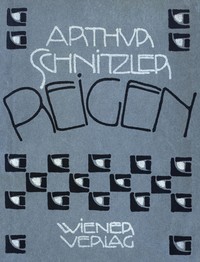
Reigen: Zehn Dialoge by Arthur Schnitzler
Arthur Schnitzler's Reigen (often called La Ronde in English) is a deceptively simple play. Written in 1897, it's built from ten dialogues, each a private meeting between two people. They all involve sex, but the real action is in the talk that comes before and after.
The Story
The structure is like a daisy chain. The first scene is between a Prostitute and a Soldier. After their encounter, that Soldier meets a Parlor Maid. Then, the Parlor Maid meets a Young Gentleman, who later meets a Young Wife, and so on. The chain continues through society—a Husband, a Sweet Young Thing, a Poet, an Actress—until the final scene circles back to a high-ranking figure with the Prostitute from the start. Each scene follows a similar rhythm: negotiation, seduction, the act itself (which happens off-stage, in the blank space between lines), and then the often-awkward or revealing aftermath. The central figure linking many, but not all, of these encounters is the charming and manipulative Reigen.
Why You Should Read It
Forget stuffy period drama. What grabbed me is how current it feels. Schnitzler strips away the fancy costumes and polite society rules to show the raw, sometimes silly, sometimes sad human drives underneath. He's a psychological genius. You see how people perform different versions of themselves—the lover, the intellectual, the victim—to get affection, status, or just a moment of control. The dialogue is brutally honest in its dishonesty. It's funny, but it's the kind of laugh that sticks in your throat. You recognize these games. The book isn't judging its characters; it's just showing them to you, which in a way is even more powerful.
Final Verdict
This is perfect for anyone who loves character-driven stories and psychological realism. If you're a fan of writers who dissect social manners with a sharp scalpel—think Edith Wharton or a less mystical Thomas Mann—you'll find a lot to love here. It's also a great, quick read for theatre fans to see a groundbreaking classic. A word of caution: it's frank about sex and human hypocrisy, so if you prefer your classics more romanticized, this might surprise you. But if you're ready for a clever, cynical, and utterly fascinating trip into the human heart, Reigen is a unforgettable short ride.
This historical work is free of copyright protections. Knowledge should be free and accessible.
Joshua Taylor
1 year agoAmazing book.






Christopher Anderson
2 months agoHaving read this twice, it challenges the reader's perspective in an intellectual way. Don't hesitate to start reading.